



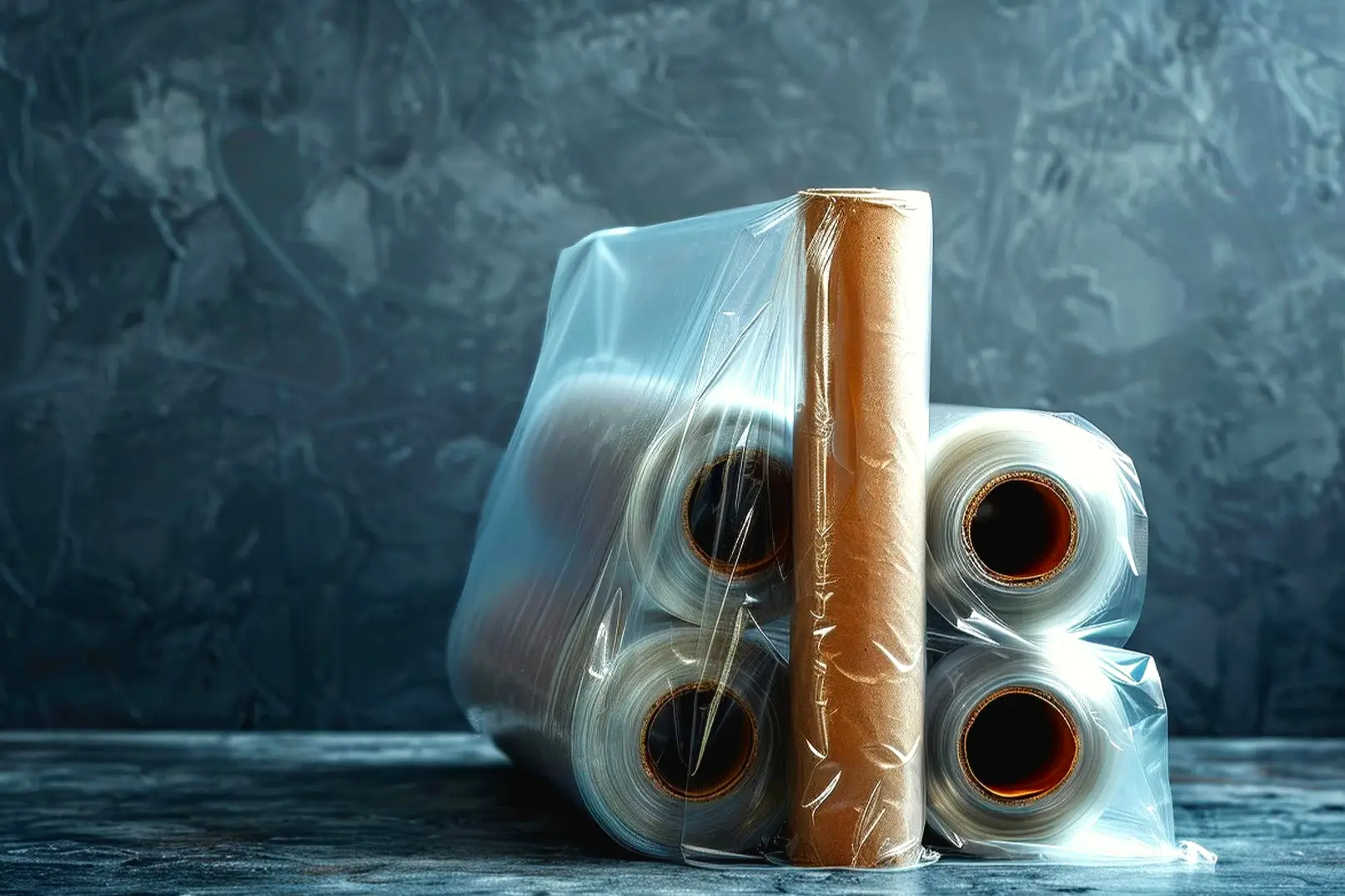
Strategic Packaging Film Selection: Critical Considerations for Food Manufacturing Operations
In the competitive landscape of food manufacturing, packaging film selection represents a pivotal decision that directly impacts product integrity, operational efficiency, and market positioning. The choice of packaging film—from stretch films utilized in tray overwrapping to specialized barrier films in flow wrapping applications—extends far beyond material specifications to encompass strategic business considerations, including brand differentiation, sustainability compliance, and total cost optimization.
Omori North America leverages decades of industry experience to provide comprehensive packaging solutions that integrate advanced equipment technology with optimized film performance. Our engineering expertise encompasses both sophisticated food packaging machinery and the specialized films that maximize operational efficiency and product quality. The following analysis outlines the fundamental principles that should guide packaging film selection decisions and demonstrates how strategic partnerships can optimize packaging operations.
Product-Specific Film Requirements Drive Selection Criteria
Food products present distinct packaging challenges that require tailored film solutions. Critical product characteristics include temperature stability (fresh versus frozen applications), puncture resistance requirements, oxygen barrier properties for shelf-life optimization, and geometric considerations for irregular or delicate products requiring specialized handling protocols. Suboptimal film selection—whether in material composition or thickness specifications—can result in significant operational inefficiencies, including package integrity failures, seal quality degradation, and increased waste generation. Omori’s engineering methodology incorporates a comprehensive analysis of both equipment specifications and product characteristics to ensure optimal film performance.
Our application expertise encompasses:
- Protein packaging: Poultry and meat products on foam and rigid tray systems
- Fresh produce and bakery: Temperature-sensitive applications requiring specialized barrier properties
- Frozen food applications: Microwave-ready trays and frozen meal packaging
- High-speed snack production: Rapid throughput applications with stringent quality requirements
- Sustainable packaging initiatives: Recyclable and reduced-material solutions
Equipment Compatibility Requires Precision Engineering
Film performance characteristics vary significantly across different material compositions and manufacturing processes. Variables including seal activation temperatures, elongation properties, shrinkage rates, and thermal response patterns must be precisely matched to equipment capabilities and process parameters.
Omori’s tray overwrappers and horizontal flow wrapping systems incorporate advanced engineering designed to accommodate diverse film specifications while maintaining optimal performance standards. Our approach extends beyond basic compatibility to include comprehensive optimization of critical process variables, including material tension, temperature profiles, sealing pressure parameters, and line speed capabilities.
This precision engineering approach ensures that operational efficiency and product quality are never compromised, regardless of sustainability requirements or cost optimization objectives. Additionally, our multi-film change
Sustainability Integration Through Advanced Film Technology
Contemporary food packaging operations must address increasing sustainability mandates while maintaining product quality and operational efficiency. Film selection plays a critical role in achieving recyclability targets and material reduction objectives without compromising package integrity or consumer appeal.
Omori’s packaging systems are engineered to accommodate both traditional PVC films and advanced PE film technologies. Our proprietary Heat Tunnel technology addresses the performance limitations traditionally associated with PE films, including memory characteristics and reduced adhesion properties, enabling seamless transition to recyclable alternatives without sacrificing stretch performance, optical clarity, or seal strength. This technological advancement eliminates the historical performance gap between conventional PVC films and sustainable alternatives, providing food manufacturers with a clear pathway to meet retailer sustainability requirements and consumer preferences while maintaining operational excellence.
Total Cost of Ownership Analysis
Comprehensive cost analysis must extend beyond initial material procurement to encompass the full spectrum of operational impacts. Suboptimal film selection can result in increased waste generation, equipment downtime, accelerated component wear, maintenance cost escalation, and labor inefficiencies due to rework requirements.
Omori’s approach to cost optimization includes:
- Comprehensive film testing: In-house validation using actual production equipment
- Technical support services: Expert assistance for process parameter optimization
- Continuous market evaluation: Ongoing assessment of emerging film technologies and market developments
When film selection and equipment capabilities are properly aligned, the result is measurable improvement in total cost of ownership, enhanced throughput capacity, and reduced operational complexity.
Industry Leadership Through Technical Excellence
Omori’s global experience in packaging machinery and film technology provides comprehensive insight into performance optimization across diverse production environments and industry applications. Our operational expertise spans high-speed production lines processing 30 to 300+ units per minute, across multiple industry segments and geographic markets. Our technical support infrastructure includes specialized engineers, certified technicians, and experienced application specialists who understand the complex interrelationships between film performance characteristics, equipment capabilities, and production objectives. This comprehensive expertise enables us to provide solutions that address both immediate operational requirements and long-term strategic objectives.
When partnering with Omori North America, clients gain access to a strategic advisor and technical resource, not merely an equipment supplier.
Strategic Partnership for Optimal Results
Organizations experiencing packaging inefficiencies, excessive waste generation, or sustainability implementation challenges should consider a comprehensive evaluation of their film selection strategy. Our technical team provides expert consultation, performance testing, and scalable solution development to address specific operational requirements.
We invite you to explore how strategic packaging optimization can enhance your operational performance and market competitiveness.
For technical consultation and comprehensive packaging solutions, contact Omori North America. Our team of specialists is prepared to analyze your specific requirements and develop optimized packaging strategies that deliver measurable results.
Contact Us
Have questions? Our team of customer care experts are standing by to help craft an efficient solution for your business. Complete the form below and an Omori representative will be in touch.
U.S. Facility
775 Atlanta South Parkway
Suite 300
College Park, GA
30349
Local: 770-913-7883
Canada Facility
28 Simpson Rd
Bolton, ON
L7E 1G9
Local: 905-857-7880
Toll Free: 1-888-379-4742
CONTACT SALES
CONTACT PARTS
CONTACT SERVICE
CONTACT CUSTOMER SERVICE
August 2026
Most food processors and manufacturers rely on a simple manual step for padding trays before packaging meats, proteins, fruits, vegetables, etc. While this process appears straightforward, it introduces hidden costs that often go unnoticed across the packaging operation
As production demands increase and consistency becomes more critical, many processors are discovering that manual tray preparation can quietly become a bottleneck, when a more efficient pre-padded tray solution is available.
Understanding the operational impact of this step helps processors identify opportunities to improve efficiency and packaging consistency.
Labor Demands in Manual Tray Padding
Manually inserting absorbent pads into trays requires dedicated labor. Employees must handle trays, align pads correctly, and maintain pace with upstream product flow. In high volume operations this task often requires multiple employees across different shifts making sure inventory levels are maintained.
This dependency on labor, especially for a task that does not directly add value to the product, is the biggest inefficiency and contributor to unnecessary cost.
Facilities that rely on manual tray padding may frequently experience:
- increased labor costs
- difficulty maintaining staffing levels
- slower line preparation
- inconsistent workflow
When staffing levels fluctuate, tray preparation can quickly fall behind production demands. This forces downstream packaging equipment to slow down or stop while operators catch up.
Inconsistent Pad Placement
Another challenge with manual tray padding is consistency. Pads may shift, fold, or sit slightly off-center depending on how quickly trays are assembled.
Even minor inconsistencies can impact the final package quality. Improper positioning may lead to wrinkled film, poor absorption performance, or compromised product presentation during handling and transport.
Common issues include
- uneven pad alignment
- wrinkled film during wrapping
- inconsistent product presentation
- increased package rejects
Consistency is critical in food packaging. Small inconsistencies upstream can lead to quality issues further down the line.
Production Slowdowns at the Packaging Line
Efficient Packaging lines depend on smooth upstream preparation. When trays are not ready as when product arrives, the entire operation is disrupted.
These delays often occur during peak production periods. when high-speed equipment is most sensitive to interruptions.
Operations relying on manual tray padding may encounter:
- packaging line interruptions
- reduced throughput
- increased operator intervention
- higher downtime
While individual delays may last only seconds, repeated interruptions throughout a shift can significantly impact total production output.
The Efficiency of Pre-Padded Trays
Complex packaging lines often rely heavily on operator expertise to manage different product formats. When settings change between shifts or operators interpret adjustments differently, packaging performance becomes inconsistent.
Flexible tray lidding technology reduces this dependency by standardizing the sealing process.
Automated controls and repeatable machine settings allow operators to select the appropriate configuration for each SKU while maintaining consistent performance. This approach helps eliminate the trial-and-error adjustments that often accompany frequent format changes.
Building Packaging Flexibility in the Line
Modern food processing requires packaging systems that can evolve with product portfolios. Equipment that supports only a narrow range of formats quickly becomes a limitation as product offerings expand.
Flexible tray lidding machines provide processors with the ability to introduce new SKUs without redesigning the entire packaging line. By supporting multiple tray types and sealing materials, the equipment allows production teams to adapt quickly to market demands.
Omori’s Lid Sealer by Frimaq is designed with this flexibility in mind. The system supports rapid format changes while maintaining stable sealing performance and consistent packaging quality.
Packaging Technology That Keeps Pace with your Product Line
SKU complexity is unlikely to decrease. As consumer preferences continue to evolve, processors must manage more packaging formats while maintaining operational efficiency.
Tray lidding technology that supports flexibility allows manufacturers to respond to these changes without sacrificing line performance.
Omori North America provides the Lid Sealer by Frimaq, a tray lidding solution engineered to handle diverse packaging formats while maintaining seal integrity and production speed. By combining flexibility and machine design, we help processors manage growing product portfolios with confidence.
Interested in exploring how Omori can help your operation manage SKU complexity while maintaining reliable packaging performance? Fill out the form below and our team will connect with you.