



Omori Tray Overwrappers / Stretch Wrappers
wOmori North America redefines food packaging with our advanced tray ovewrappers / stretch wrappers. As industry pioneers, we excel in manufacturing cutting-edge tray overwrappers / stretch wrappers, providing a tight seal for diverse products like produce, fruit, vegetables, beef, poultry, pork, sausage, and plant-based meats.
Our solutions cater to a variety of needs, featuring wide entry units for larger packaging and high-belt options for taller items. Omori Tray Overwrappers / Stretch Wrappers are versatile and prioritize critical floor space savings.
Our automatic horizontal tray overwrappers / stretch wrapper, designed by our founder Shozo Omori, uses a belt-driven system to hold the tray in place while the film is wrapped around the tray to create a center seal. The film is then cut and folded under the lead and back-end to allow the film to tightly adhere to itself.
Learn more about all of Omori North America’s tray overwrapper / stretch Wrapper solutions below.
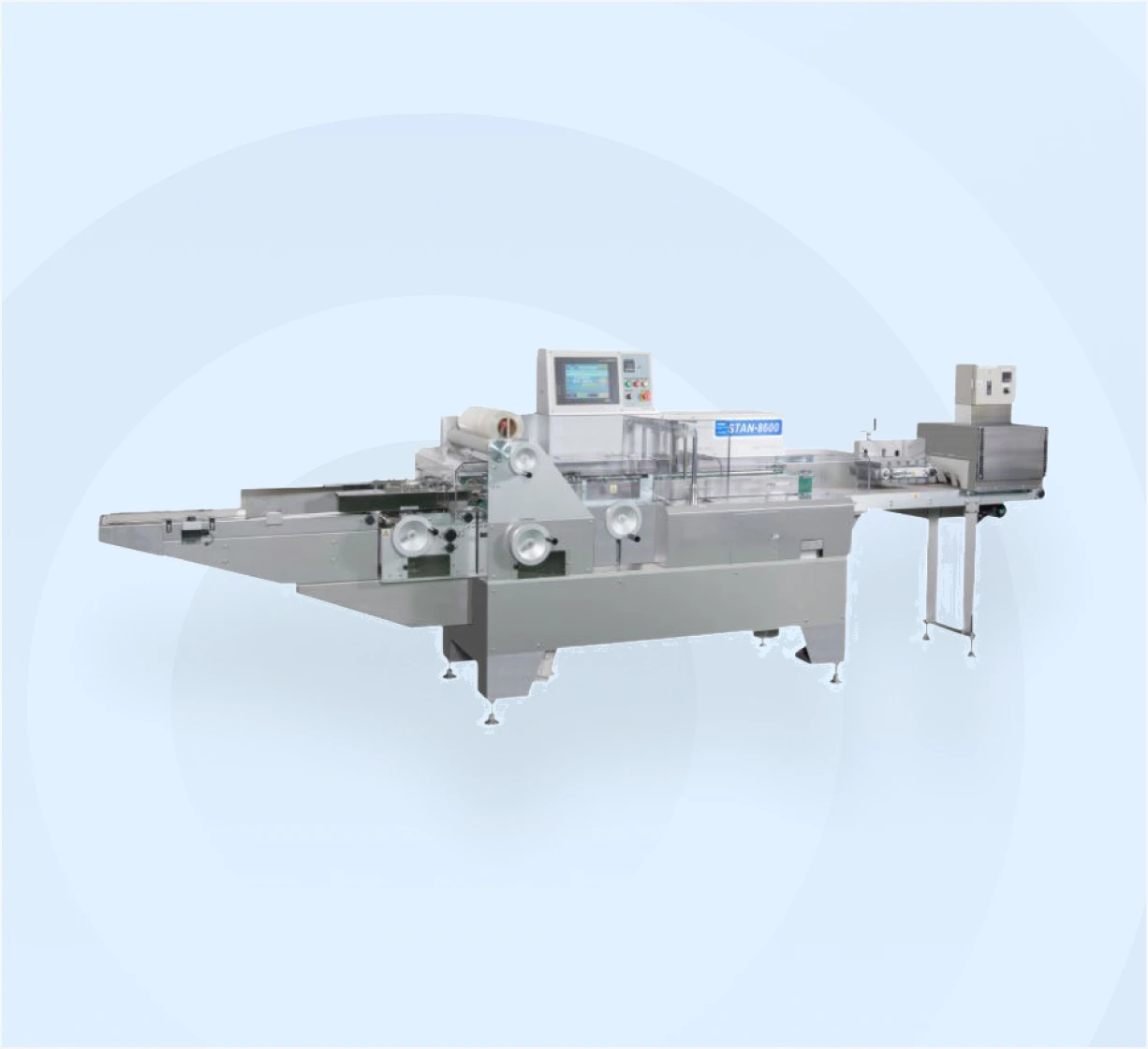
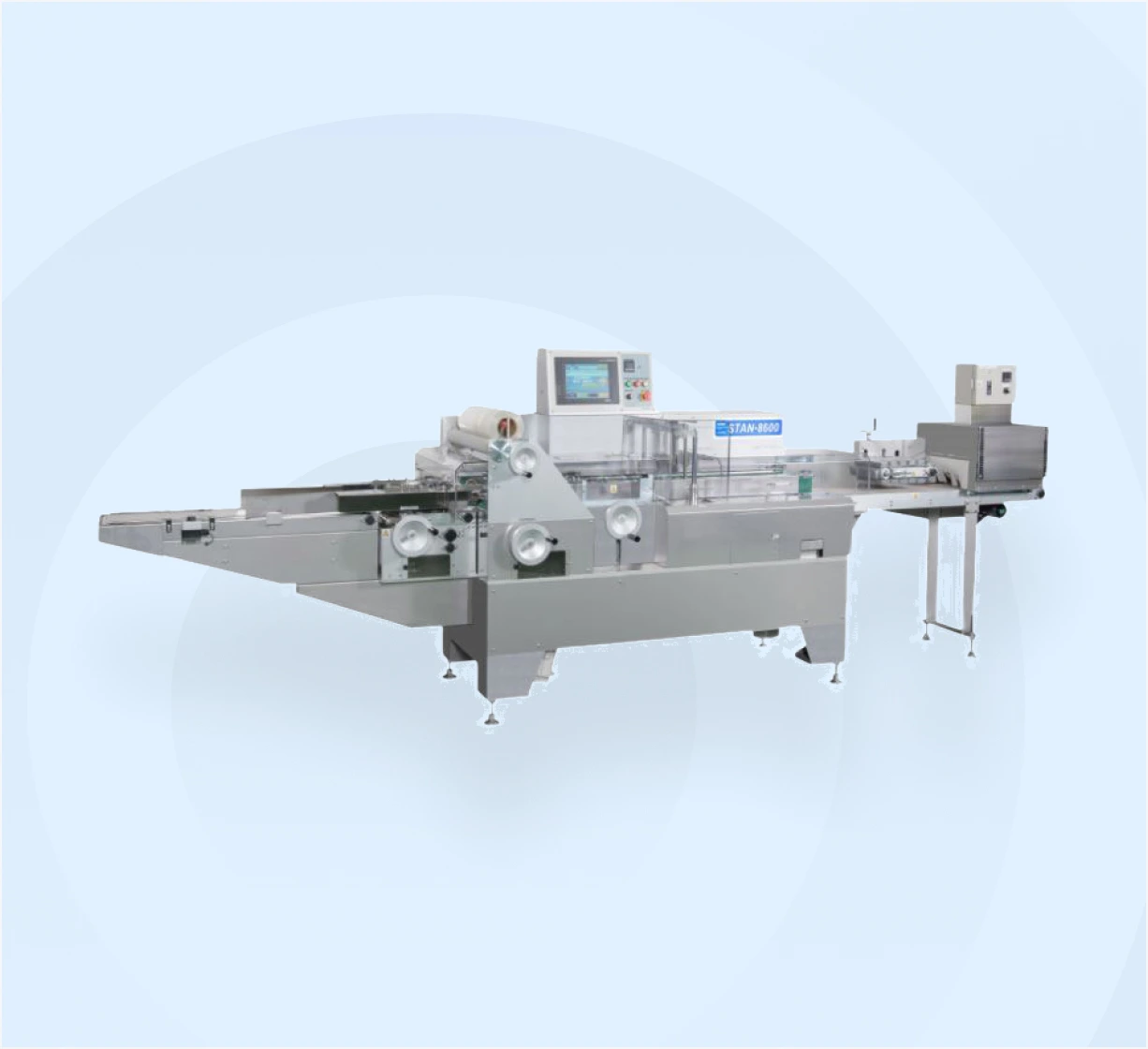
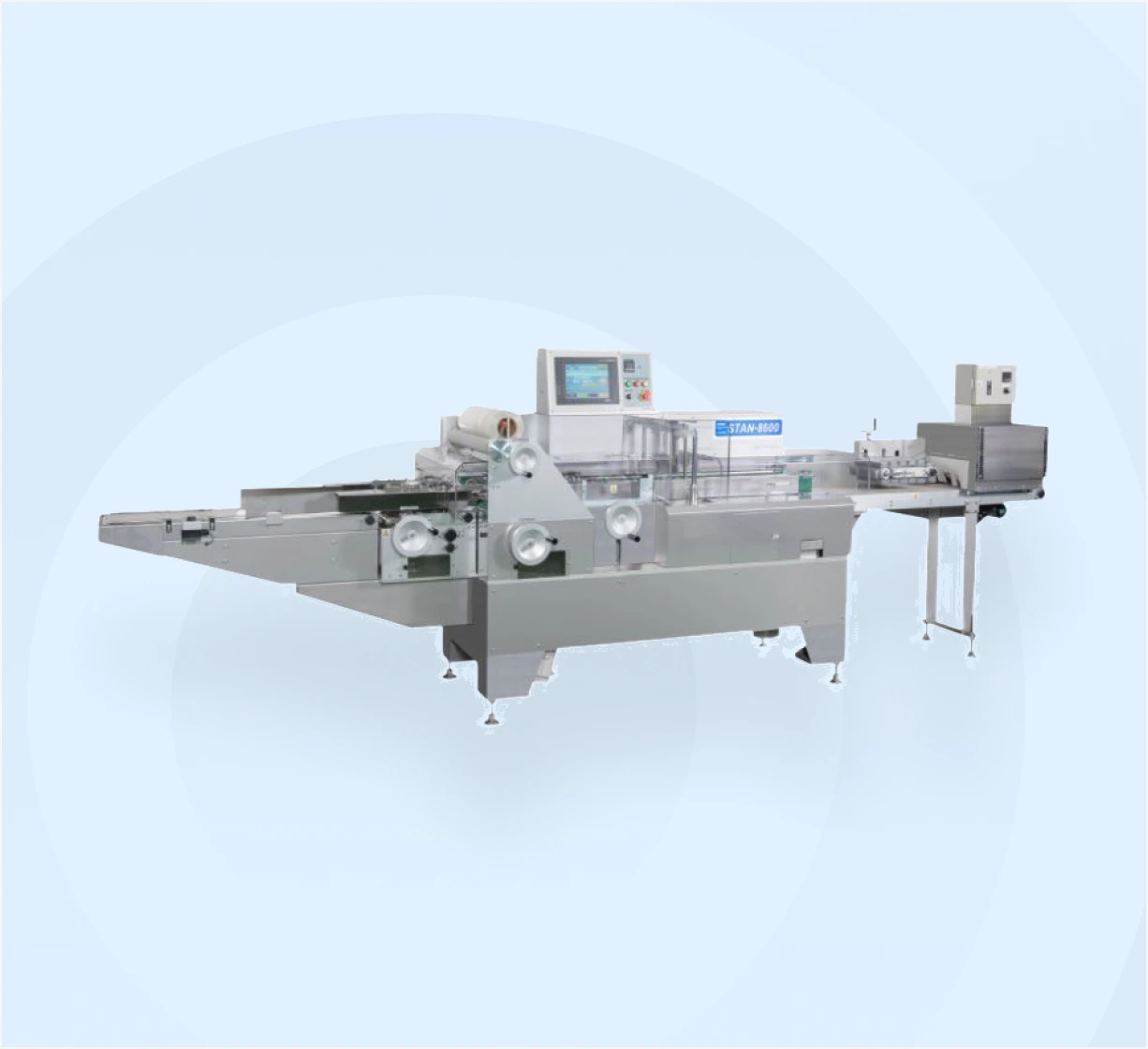
STN-8500WE – Wide Entry
The wide entry unit can handle a maximum 180 trays per minute. The applications for the wide entry include beef, poultry, pork, sausage, plant based meats and any products requiring a wider tray.
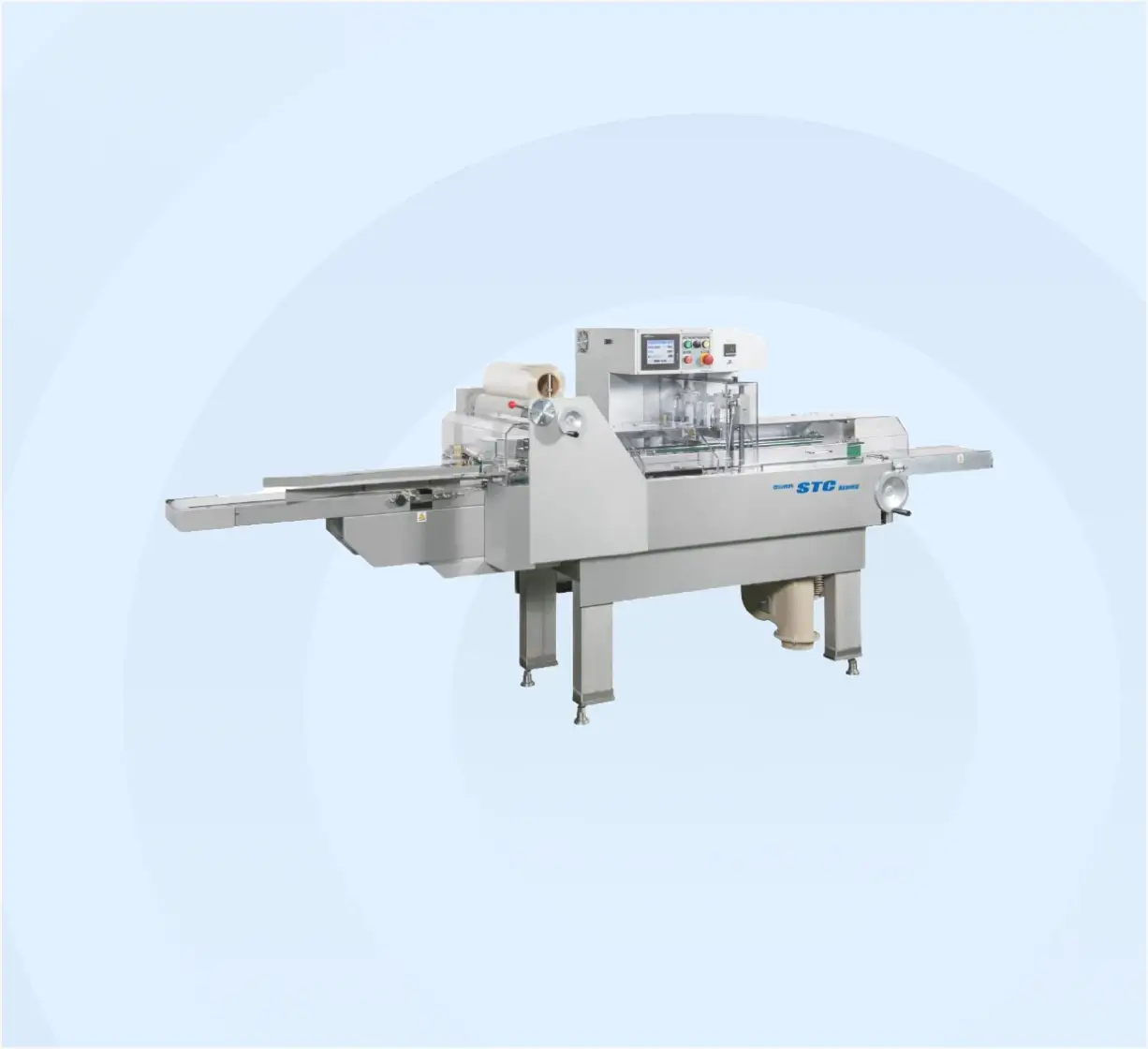
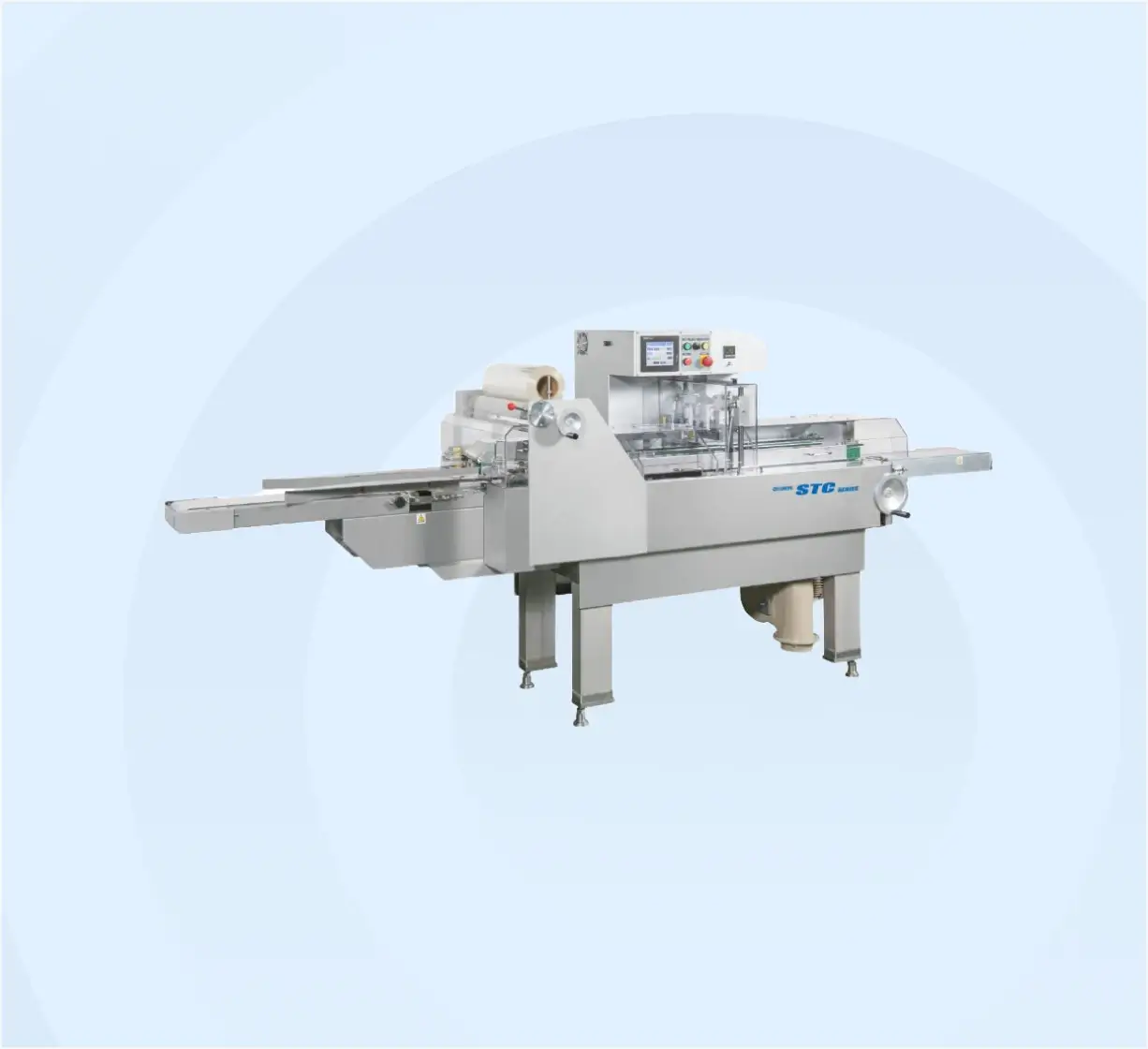
STC-N1 – Standard
This is an entry level unit which can run up to 60 trays per minute. It has a smaller footprint than the 8500 and takes up less space on the production floor. The applications include produce, fruit, potatoes and any applications not requiring a wide tray or high height.
STC-N5 – Wide Entry
This is an entry level unit which can run up to 60 trays per minute. It has a smaller footprint than the 8500 and takes up less space on the production floor. The applications include beef, pork, sausage, poultry, mushrooms, produce and any applications requiring a wider tray.
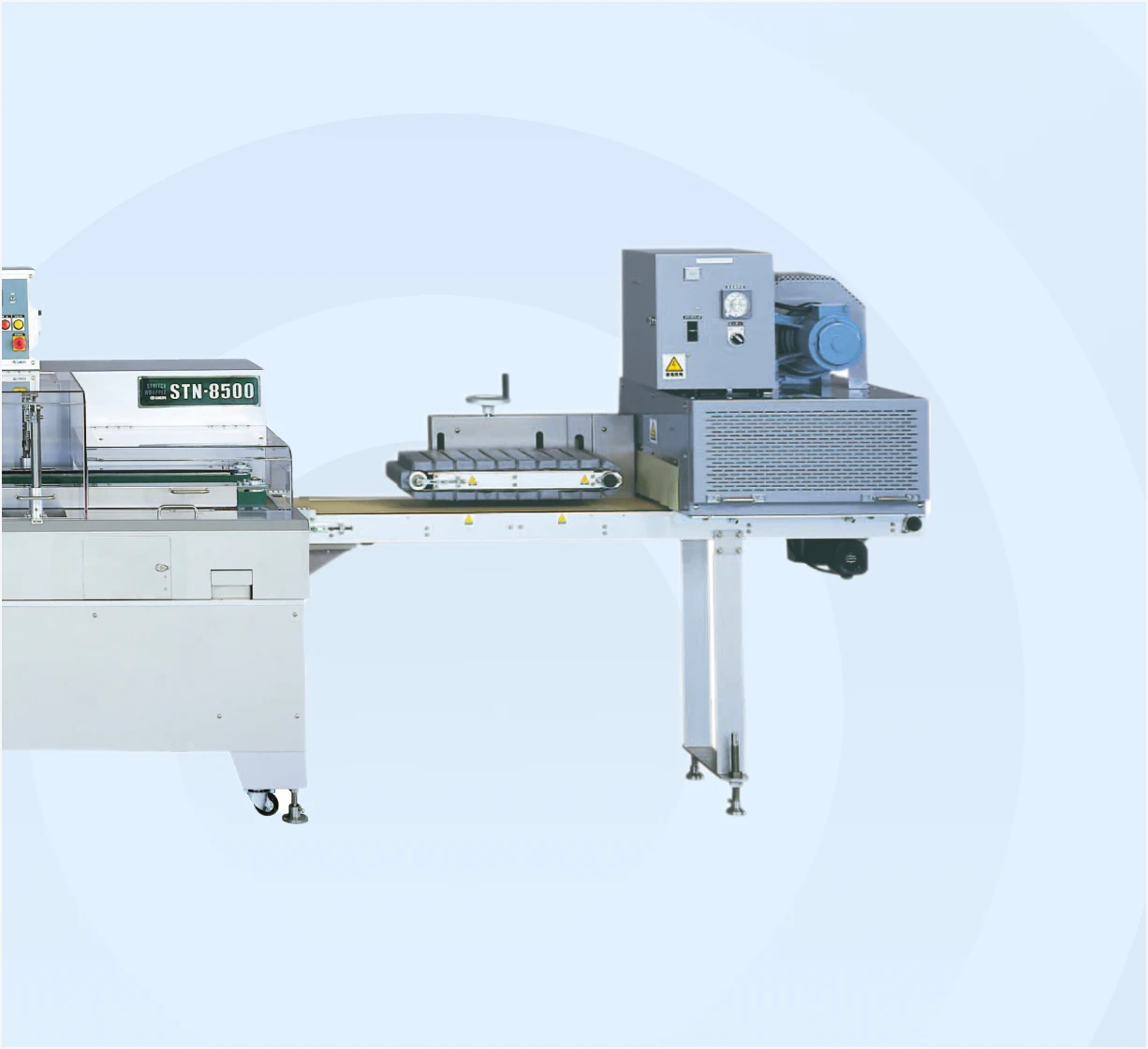
Heat Tunnel for PE Film Performance
Omori’s new Heat Tunnel is the answer to better PE film adherence for all your stretch wrapped products. Get the PVC adherence you’re used to with the environmentally friendly and sustainable PE film.
Omori Stretch Wrappers
Omori North America redefines food packaging with our advanced stretch wrappers. As industry pioneers, we excel in manufacturing cutting-edge stretch wrappers, providing a tight seal for diverse products like produce, fruit, vegetables, beef, poultry, pork, sausage, and plant-based meats.
Our solutions cater to a variety of needs, featuring wide entry units for larger packaging and high-belt options for taller items. Omori Stretch Wrappers are versatile and prioritize critical floor space savings.
Our automatic horizontal stretch wrapper, designed by our founder Shozo Omori, uses a belt-driven system to hold the tray in place while the film is wrapped around the tray to create a center seal. The film is then cut and folded under the lead and back-end to allow the film to tightly adhere to itself.
Learn more about all of Omori North America’s Stretch Wrapper solutions below.
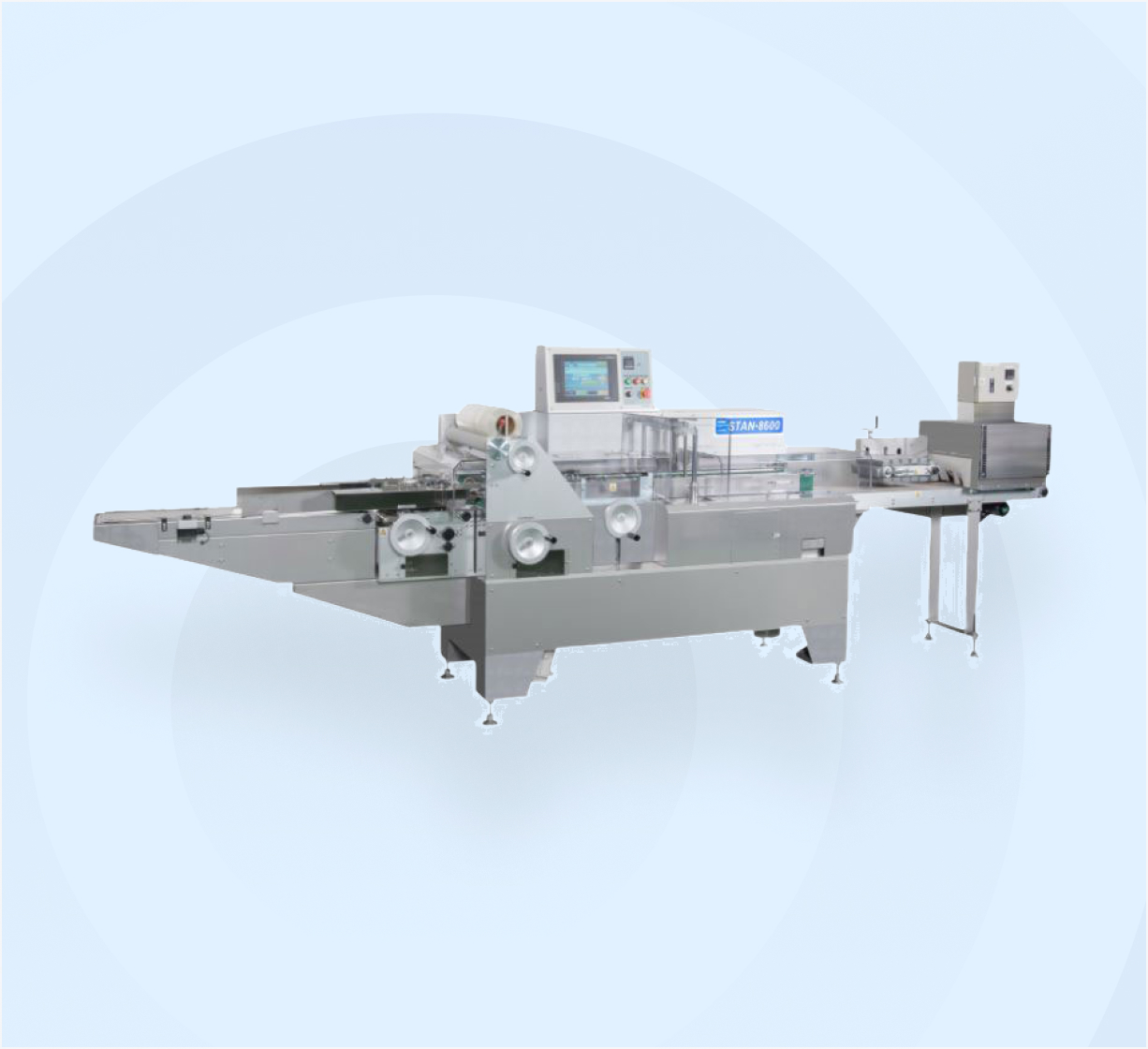
STN-8500 – Standard
The standard unit can over wrap up to 120 trays per minute. The applications for this wrapper include produce, fruit, potatoes and any applications not requiring wide or high trays.
STN-8500WE – Wide Entry
The wide entry unit can handle a maximum 180 trays per minute. The applications for the wide entry include beef, poultry, pork, sausage, plant based meats and any products requiring a wider tray.
STN-8500HB – High Belt
The high belt unit can handle a maximum of 150 trays per minute and can accommodate trays up to 3.6 inches. The applications for the high belt include mushrooms and any application requiring a higher height.
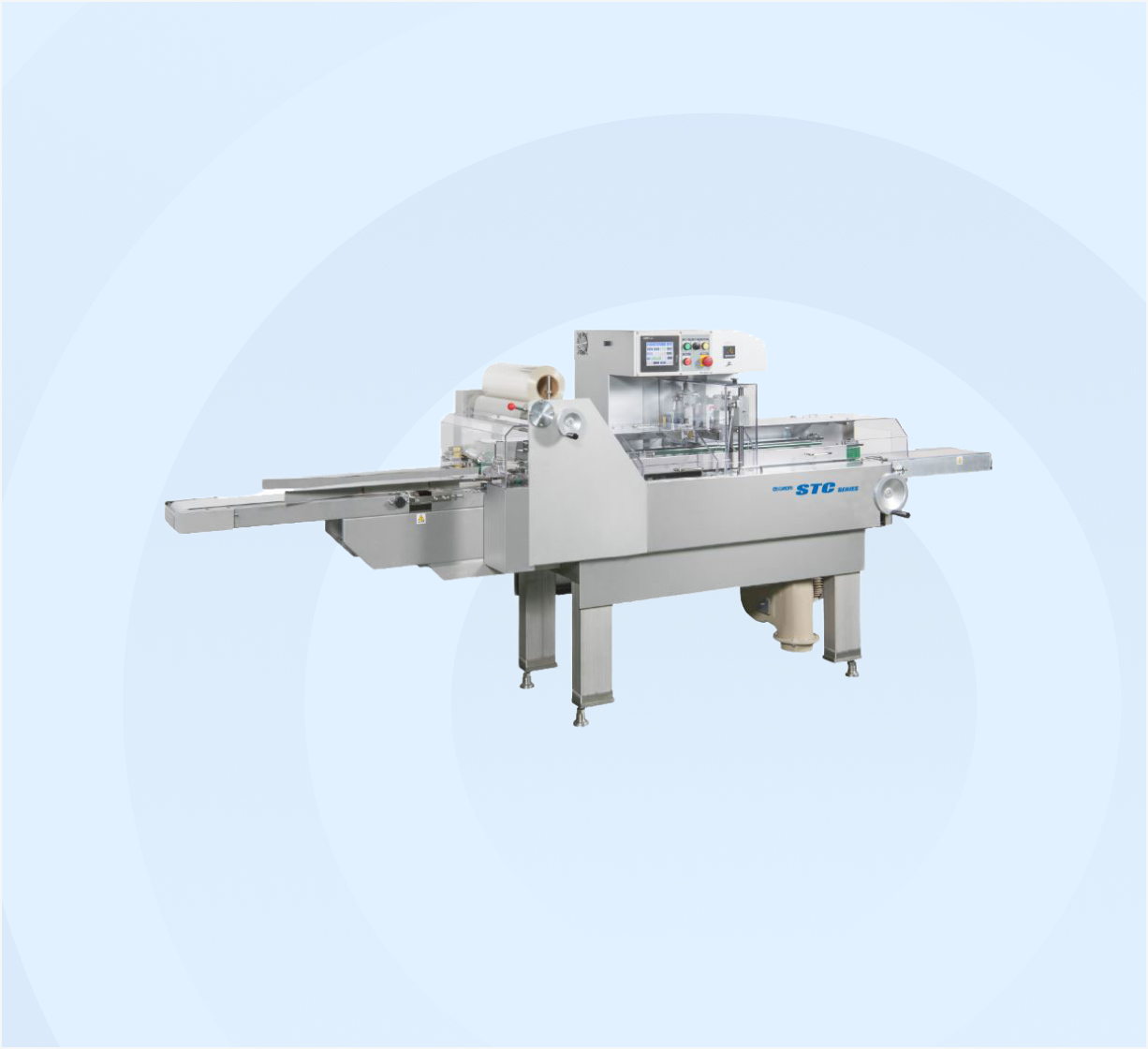
STC-N1 – Standard
This is an entry level unit which can run up to 60 trays per minute. It has a smaller footprint than the 8500 and takes up less space on the production floor. The applications include produce, fruit, potatoes and any applications not requiring a wide tray or high height.
STC-N5 – Wide Entry
This is an entry level unit which can run up to 60 trays per minute. It has a smaller footprint than the 8500 and takes up less space on the production floor. The applications include beef, pork, sausage, poultry, mushrooms, produce and any applications requiring a wider tray.
Stretch Wrapper Heat Tunnel for PE Film Performance
Omori’s new Heat Tunnel is the answer to better PE film adherence for all your stretch wrapped products. Get the PVC adherence you’re used to with the environmentally friendly and sustainable PE film.
Frequently Asked Questions
Have a question? We have answers! Everything you need to know about Omori’s products.
What is the difference between stretch wrapper and flow wrapper?
Stretch wrappers are also called Tray Wrappers or Tray Overwrappers. Designed to wrap retail food trays using stretch film where two end flaps are folded onto the bottom of the tray. Flow wrappers are also called Horizontal Form-Fill-Seal Machines to wrap food and consumer packaged goods using heat-sealable film/shrink film and two ends are heat-sealed.
What is the range of tray sizes the Omori units can handle on stretch wrappers?
Each Omori wrapper product can accomodate a wide range of tray sizes. Please refer to the individual products specification sheet or give us a call to configure your machine.
What is the difference between the STN and STC series?
The main difference is the maximum speed – STN up to 180 trays per minute (optional) and STC up to 60 trays per minute. Talk with an Omori Sales Representative to understand which is best for you.
What is the difference between a flow wrapper and the DW-3500?
Technically, the DW-3500 can be categorized as a hybrid flow wrapper, but to differentiate the DW from regular flow wrappers, we call it an end-seal wrapper which was designed for chicken on a tray using stretchable shrink film such as Cryovac SES.
Contact Us
Have questions? Our team of customer care experts are standing by to help craft an efficient solution for your business. Complete the form below and an Omori representative will be in touch.
U.S. Facility
775 Atlanta South Parkway
Suite 300
College Park, GA
30349
Local: 770-913-7883
Canada Facility
28 Simpson Rd
Bolton, ON
L7E 1G9
Local: 905-857-7880
Toll Free: 1-888-379-4742
CONTACT SALES
CONTACT PARTS
CONTACT SERVICE
CONTACT CUSTOMER SERVICE