



Optimize Your Poultry Packaging with the Right End-Seal Wrapper
January 2025
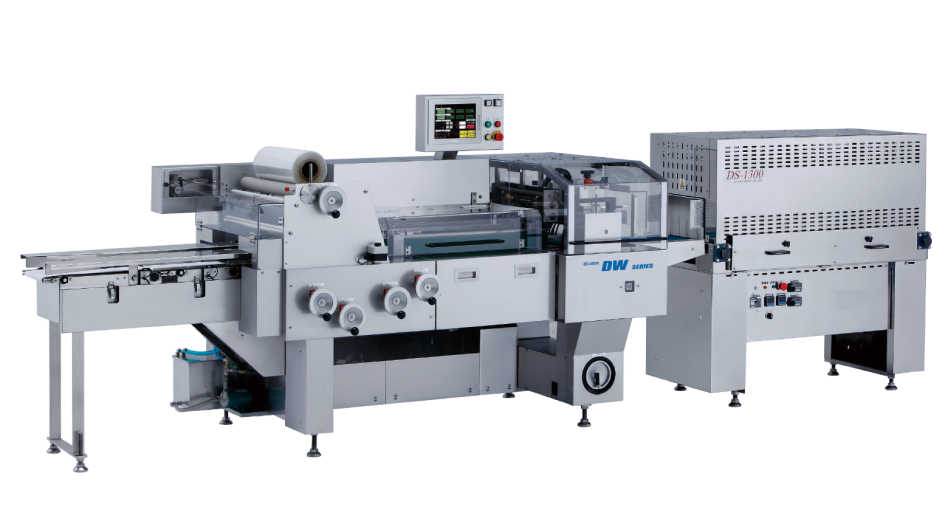
From compliance with food safety standards to meeting end-user expectations for visual appeal, there is a lot to consider when it comes to selecting the right end-seal wrapper for poultry packaging. Secure sealing is table stakes, but the array of food packaging equipment currently on the market can make it hard to determine what’s worth the capital expense. Enter the Omori DW-3500 Series End-Seal Wrapper. It is specifically designed to address the unique challenges of poultry packaging while offering advanced features that optimize efficiency and maintain product quality. The DW-3500 Series not only sets the key considerations, but delivers on them on every front. Here’s how:
Hygienic Design for Food Safety
Maintaining a hygienic environment is non-negotiable in poultry packaging. The equipment you choose must be easy to clean and designed to prevent contamination.
Why the DW-3500 Series Stands Out:
The DW-3500 Series features stainless steel construction and wash-down capabilities, allowing for thorough cleaning to meet food safety requirements. Its open-frame design minimizes crevices where debris can accumulate, ensuring compliance with the highest hygiene standards.
High-Speed Packaging for Increased Throughput
Poultry packagers often operate in high-volume environments where speed is essential to meet demand without compromising quality.
Why the DW-3500 Series Stands Out:
Capable of handling speeds of up to 120 packages per minute, the DW-3500 Series End-Seal Wrapper ensures your production line stays efficient and productive. Its precision sealing mechanism delivers consistent results at high speeds, allowing you to scale production as needed.
Versatility in Poultry Packaging Applications
Poultry products come in various forms—whole birds, cut pieces, leg and thighs, wings, or value-added products like marinated portions. It also comes in various sizes from turkeys to chickens to waterfowl and game meat. Your end-seal wrapper should handle these diverse packaging needs with ease.
Why the DW-3500 Series Stands Out:
The DW-3500 Series accommodates a wide range of tray sizes, film types, and product configurations, making it ideal for the dynamic requirements of poultry packaging, including chicken packaging, turkey packaging, and other types of bird meat. Whether you’re wrapping individual portions or bulk trays, this machine adapts to your specific needs.
Seal Integrity and Product Protection
Leak-proof packaging is essential for poultry to maintain freshness and prevent contamination during transit. A secure seal also enhances shelf appeal, which is crucial in competitive retail environments.
Why the DW-3500 Series Stands Out:
The DW-3500 Series’ advanced end-seal technology ensures airtight seals, protecting poultry products from external contaminants and preserving freshness. The tight, consistent seals also enhance the aesthetic of your packaging, boosting consumer confidence.
Ease of Operation and Maintenance
Complicated machinery can lead to operator error and downtime, which are costly for any packaging operation. The ideal end-seal wrapper prioritizes user-friendly features.
Why the DW-3500 Series Stands Out:
The DW-3500 Series is designed with 104 pre-set recipes, simplifying operation for your team. It also features a modular design, allowing for quick maintenance and minimal downtime, keeping your production line running smoothly.
Compatibility with Sustainable Materials
Sustainability is becoming increasingly important in food packaging, and the ability to minimize water use and consumables waste is a key consideration for many food packagers.
Why the DW-3500 Series Stands Out:
This machine features a water recirculation system that uses as little as one gallon of water per day. It also prevents film waste with precise center seal technology, and edge trim collection. Additionally, it supports a variety of film options, including thinner, recyclable materials, enabling you to meet sustainability goals without sacrificing performance or seal integrity.
The Omori DW-3500 Series is a Standout End-Seal Wrapper for Poultry Packaging
The Omori DW-3500 Series End-Seal Wrapper combines speed, hygiene, and versatility to meet the demands of poultry packaging. With its focus on seal integrity, user-friendly operation, and adaptability to various packaging configurations, it is a reliable solution for turkey, chicken and other poultry packagers looking to optimize efficiency and maintain product quality.
Contact us to learn more about how the DW-3500 Series can transform your production line and help you meet your poultry packaging goals.
Contact Us
Have questions? Our team of customer care experts are standing by to help craft an efficient solution for your business. Complete the form below and an Omori representative will be in touch.
U.S. Facility
775 Atlanta South Parkway
Suite 300
College Park, GA
30349
Local: 770-913-7883
Canada Facility
28 Simpson Rd
Bolton, ON
L7E 1G9
Local: 905-857-7880
Toll Free: 1-888-379-4742
CONTACT SALES
CONTACT PARTS
CONTACT SERVICE
CONTACT CUSTOMER SERVICE
August 2026
Most food processors and manufacturers rely on a simple manual step for padding trays before packaging meats, proteins, fruits, vegetables, etc. While this process appears straightforward, it introduces hidden costs that often go unnoticed across the packaging operation
As production demands increase and consistency becomes more critical, many processors are discovering that manual tray preparation can quietly become a bottleneck, when a more efficient pre-padded tray solution is available.
Understanding the operational impact of this step helps processors identify opportunities to improve efficiency and packaging consistency.
Labor Demands in Manual Tray Padding
Manually inserting absorbent pads into trays requires dedicated labor. Employees must handle trays, align pads correctly, and maintain pace with upstream product flow. In high volume operations this task often requires multiple employees across different shifts making sure inventory levels are maintained.
This dependency on labor, especially for a task that does not directly add value to the product, is the biggest inefficiency and contributor to unnecessary cost.
Facilities that rely on manual tray padding may frequently experience:
- increased labor costs
- difficulty maintaining staffing levels
- slower line preparation
- inconsistent workflow
When staffing levels fluctuate, tray preparation can quickly fall behind production demands. This forces downstream packaging equipment to slow down or stop while operators catch up.
Inconsistent Pad Placement
Another challenge with manual tray padding is consistency. Pads may shift, fold, or sit slightly off-center depending on how quickly trays are assembled.
Even minor inconsistencies can impact the final package quality. Improper positioning may lead to wrinkled film, poor absorption performance, or compromised product presentation during handling and transport.
Common issues include
- uneven pad alignment
- wrinkled film during wrapping
- inconsistent product presentation
- increased package rejects
Consistency is critical in food packaging. Small inconsistencies upstream can lead to quality issues further down the line.
Production Slowdowns at the Packaging Line
Efficient Packaging lines depend on smooth upstream preparation. When trays are not ready as when product arrives, the entire operation is disrupted.
These delays often occur during peak production periods. when high-speed equipment is most sensitive to interruptions.
Operations relying on manual tray padding may encounter:
- packaging line interruptions
- reduced throughput
- increased operator intervention
- higher downtime
While individual delays may last only seconds, repeated interruptions throughout a shift can significantly impact total production output.
The Efficiency of Pre-Padded Trays
Complex packaging lines often rely heavily on operator expertise to manage different product formats. When settings change between shifts or operators interpret adjustments differently, packaging performance becomes inconsistent.
Flexible tray lidding technology reduces this dependency by standardizing the sealing process.
Automated controls and repeatable machine settings allow operators to select the appropriate configuration for each SKU while maintaining consistent performance. This approach helps eliminate the trial-and-error adjustments that often accompany frequent format changes.
Building Packaging Flexibility in the Line
Modern food processing requires packaging systems that can evolve with product portfolios. Equipment that supports only a narrow range of formats quickly becomes a limitation as product offerings expand.
Flexible tray lidding machines provide processors with the ability to introduce new SKUs without redesigning the entire packaging line. By supporting multiple tray types and sealing materials, the equipment allows production teams to adapt quickly to market demands.
Omori’s Lid Sealer by Frimaq is designed with this flexibility in mind. The system supports rapid format changes while maintaining stable sealing performance and consistent packaging quality.
Packaging Technology That Keeps Pace with your Product Line
SKU complexity is unlikely to decrease. As consumer preferences continue to evolve, processors must manage more packaging formats while maintaining operational efficiency.
Tray lidding technology that supports flexibility allows manufacturers to respond to these changes without sacrificing line performance.
Omori North America provides the Lid Sealer by Frimaq, a tray lidding solution engineered to handle diverse packaging formats while maintaining seal integrity and production speed. By combining flexibility and machine design, we help processors manage growing product portfolios with confidence.
Interested in exploring how Omori can help your operation manage SKU complexity while maintaining reliable packaging performance? Fill out the form below and our team will connect with you.