

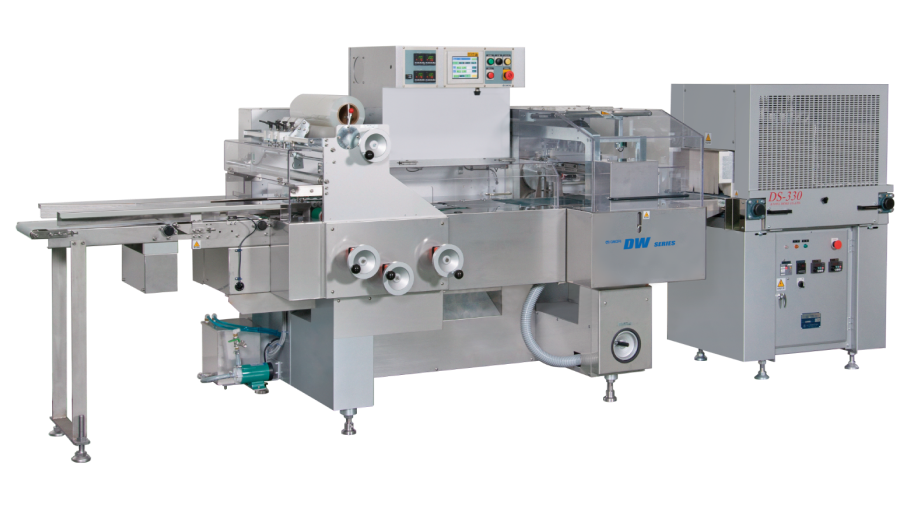
DW-2002N Series End-Seal Wrapper

dw-2002n food packaging machine

The DW-2002N Series End-Seal Wrapper is Perfect for:

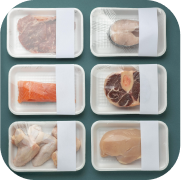
food tray

Ready-to-Eat

food tray with snow flak on top

Frozen Food Tray

food tray with lid on top

Food Tray with Lid

The Coolest End-Seal Solution

Engineered for ready-to-eat meal packaging and frozen food packaging, the Omori DW-2002N Series stands out with its end-seal wrapper and shrink tunnel, ensuring a clean and visually stunning wrapped appearance.

Experience food packaging equipment with enhanced control thanks to an automatic heater system synchronized with packaging speed.

Boost productivity with a box motion-cutting design, outperforming reciprocating alternatives.

Enjoy versatility with up to 104 preset product recipes, facilitating quick and easy transitions between tray sizes. The automatic feeding system, equipped with an on-demand feature, minimizes product waste by eliminating the need for trays or wraps when not required.

DW-2002N End-Seal Wrapper Features & Benefits

food package with check with check mark on top

Beautifully Finished Pack

Automatic heater control synchronized with packaging speed. Heater temperature can be changed and memorized during operation.

two food packaging containers that look identical

Box Motion Cutting Design

Compared to reciprocating design, box motion cutting enables higher productivity.

thumbs up

Reliability

High quality, long life, and less down time with Omori. Dedicated Service Technicians available 24/7.

three arrows going in different directions

Versatility

With up to 104 preset product recipes, changing from one tray size to another is fast and easy.

two rolls of film stacked on top of each other

Automatic Feed

Automatic feeding system with “on-demand” is a standard feature on all DW-2002N models. “On-demand” means no tray or wrap, reducing product waste.

check mark on shield

Safety

Our equipment comes with ESA (Electrical Safety Authority) certification and PSSR (Pre-Startup Safety Review).

DW-2002N End-Seal Wrapper Customizations and Accessories

two identical shapes separated by a dotter line

Mirror Image Product Flow From
Right to Left

DW-2002N End-Seal Wrapper Specifications

Download the DW-2002N Series End-Seal Wrapper Specification Sheet for more information, including exact product dimensions!

SpecificationStandardHigh Speed
SpeedUp to 60 ppmUp to 80 ppm
Film WidthMax. 700 mmMax. 700 mm
Tray SizesLength: 100 - 400 mm
Width: 80 - 260 mm
Height: 15 - 120 mm
Length: 100 - 340 mm
Width: 80 - 260 mm
Height: 15 - 60 mm
Product Height15-120 mm15-120 mm
Weight (Including Tunnel)Approx. 1,300 kgApprox. 1,400 kg
Power ConsumptionMachine:
\n3 phase, AC200 V, 11 kVA
Tunnel:
\n3 phase, AC200 V, 7 kVA
Machine:
\n3 phase, AC200 V, 11 kVA
Tunnel:
\n3 phase, AC200 V, 11 kVA

Frequently Asked Questions

Have a question? We have answers! Everything you need to know about the DW-2002N Series End-Seal Wrappers.

I have a concept for my package, but I’m not sure where to start?

!
"

Contact our sales team. They will integrate our engineers into the process for a customized solution.

I have space limitations and would like to verify the equipment layout for one of the DW-2002N Series End-Seal Wrappers. Is this a service you provide?

!
"

Yes, we can provide layouts for our DW-2002N Series End-Seal Wrappers, as well proposed plant layouts for your deployment needs.

I am the proud owner of an existing Omori DW-2002N Series End-Seal Wrapper and would like to add accessories or features. Is this possible?

!
"

Reach out to us with your request and the serial number on your DW-2002N Series End-Seal Wrapper. We will happily guide you to what’s possible for your exact model.

I would like a site visit by your team to discuss solutions for my process. What should I do?

!
"

Contact our sales team and request a visit. An engineering team member will gladly assist in creating a tailored solution.

Explore All Omori Solutions
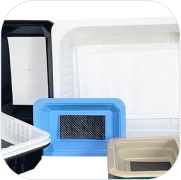
assortment of pre-padded trays

Pre-Padded
Trays

six types of food in food packaging

Trays, Pads
and Films

accessories laid out on table

Accessories for Every Need

man on phone looking up at inventory shelf

Parts on Demand

technician servicing packaging equipment

Service & Maintenance

Contact Us

Have questions? Our team of customer care experts are standing by to help craft an efficient solution for your business. Complete the form below and an Omori representative will be in touch.

U.S. Facility

775 Atlanta South Parkway
Suite 300
College Park, GA
30349

Local: 770-913-7883

Canada Facility

28 Simpson Rd
Bolton, ON
L7E 1G9

Local: 905-857-7880
Toll Free: 1-888-379-4742

CONTACT SALES

 sales@omori-na.com

CONTACT PARTS

parts@omori-na.com

CONTACT SERVICE

service@omori-na.com

CONTACT CUSTOMER SERVICE

customer.service@omori-na.com 

    August 2026

    Most food processors and manufacturers rely on a simple manual step for padding trays before packaging meats, proteins, fruits, vegetables, etc. While this process appears straightforward, it introduces hidden costs that often go unnoticed across the packaging operation

    As production demands increase and consistency becomes more critical, many processors are discovering that manual tray preparation can quietly become a bottleneck, when a more efficient pre-padded tray solution is available.

     Understanding the operational impact of this step helps processors identify opportunities to improve efficiency and packaging consistency.

    Labor Demands in Manual Tray Padding

    Manually inserting absorbent pads into trays requires dedicated labor. Employees must handle trays, align pads correctly, and maintain pace with upstream product flow. In high volume operations this task often requires multiple employees across different shifts making sure inventory levels are maintained.

     This dependency on labor, especially for a task that does not directly add value to the product, is the biggest inefficiency and contributor to unnecessary cost.

     Facilities that rely on manual tray padding may frequently experience:

    • increased labor costs
    • difficulty maintaining staffing levels
    • slower line preparation
    • inconsistent workflow

    When staffing levels fluctuate, tray preparation can quickly fall behind production demands. This forces downstream packaging equipment to slow down or stop while operators catch up.

    Inconsistent Pad Placement

    Another challenge with manual tray padding is consistency. Pads may shift, fold, or sit slightly off-center depending on how quickly trays are assembled.

    Even minor inconsistencies can impact the final package quality. Improper positioning may lead to wrinkled film, poor absorption performance, or compromised product presentation during handling and transport.

    Common issues include

    •  uneven pad alignment
    • wrinkled film during wrapping
    • inconsistent product presentation
    • increased package rejects

     Consistency is critical in food packaging. Small inconsistencies upstream can lead to quality issues further down the line.


    Production Slowdowns at the Packaging Line

    Efficient Packaging lines depend on smooth upstream preparation. When trays are not ready as when product arrives, the entire operation is disrupted.

     These delays often occur during peak production periods. when high-speed equipment is most sensitive to interruptions.

     Operations relying on manual tray padding may encounter:

    •  packaging line interruptions
    • reduced throughput
    • increased operator intervention
    • higher downtime

     While individual delays may last only seconds, repeated interruptions throughout a shift can significantly impact total production output.

    The Efficiency of Pre-Padded Trays

    Complex packaging lines often rely heavily on operator expertise to manage different product formats. When settings change between shifts or operators interpret adjustments differently, packaging performance becomes inconsistent.

    Flexible tray lidding technology reduces this dependency by standardizing the sealing process.

    Automated controls and repeatable machine settings allow operators to select the appropriate configuration for each SKU while maintaining consistent performance. This approach helps eliminate the trial-and-error adjustments that often accompany frequent format changes.

    Building Packaging Flexibility in the Line

    Modern food processing requires packaging systems that can evolve with product portfolios. Equipment that supports only a narrow range of formats quickly becomes a limitation as product offerings expand.

    Flexible tray lidding machines provide processors with the ability to introduce new SKUs without redesigning the entire packaging line. By supporting multiple tray types and sealing materials, the equipment allows production teams to adapt quickly to market demands.

    Omori’s Lid Sealer by Frimaq is designed with this flexibility in mind. The system supports rapid format changes while maintaining stable sealing performance and consistent packaging quality.

    Packaging Technology That Keeps Pace with your Product Line

    SKU complexity is unlikely to decrease. As consumer preferences continue to evolve, processors must manage more packaging formats while maintaining operational efficiency.

    Tray lidding technology that supports flexibility allows manufacturers to respond to these changes without sacrificing line performance.

    Omori North America provides the Lid Sealer by Frimaq, a tray lidding solution engineered to handle diverse packaging formats while maintaining seal integrity and production speed. By combining flexibility and machine design, we help processors manage growing product portfolios with confidence.

    Interested in exploring how Omori can help your operation manage SKU complexity while maintaining reliable packaging performance? Fill out the form below and our team will connect with you.